GG
GLOBALG.A.P. — IFA
- Covers
- Farm-level good agricultural practice
- Certificate
- Copy available on request

Every claim on this page is one you can check: certificates with their scheme numbers and issuing bodies, a signed record at each inspection stage, and a cold chain you can read straight off the logger. Documentation is provided on request and with every quotation.
Prefer e-mail? Contact our export team
Documented on every shipment
One specification, applied the same way to a trial pallet and to a season-long programme.
Shape, colour and firmness graded to EU Class I. Anything below it never joins the export line.
Sized to your calibre band so carton weight and count hold across the whole container.
Grown within EU maximum residue limits under Regulation 396/2005, with residue testing before shipment. Residue reports are available per shipment on request.
Cured, then held and shipped at 12–14 °C with a data-logger in every reefer.
Export cartons of 3, 6 and 10 kg, labelled to your specification and lot-marked. Bulk export only. Labelling standards, GS1 included, are agreed with your team before printing.
GRASP and SMETA cover fair labour, safety and worker welfare. Audit documentation is available on request.
Each stage has its own pass criteria, its own record and a name against it. A lot that fails one goes back a stage.
Lots are lifted at maturity and kept separate by field and date from the first crate onward.
Curing at 28–30 °C heals the skin, develops the sugars and cuts storage loss.
Washed, then sorted for shape, skin finish and internal defects.
Graded to EU Class I and sized to the calibre band on your order.
Packed to your carton spec and marked with the lot code that follows it to your door.
Container inspected, pre-cooled and loaded under supervision; documents are issued before it leaves.
Food safety is mostly housekeeping done the same way every day: clean water, clean hands, clean surfaces — and a temperature that never drifts.
5–7 days at high humidity so the skin heals
85–90% RH — below 10 °C causes chilling injury
Pre-cooled, set point logged for the whole voyage
Certificates are issued by accredited bodies and kept current. Copies — carrying the scheme number, the validity date and the issuing body — are provided to qualified buyers on request and with every quotation, so your compliance team can verify them at source.
We display no logo we are not entitled to use. If a scheme is not listed here, we do not hold it. Certificate copies are shared during the quotation process.
Field, harvest, grading and packing — the stages every container passes through.
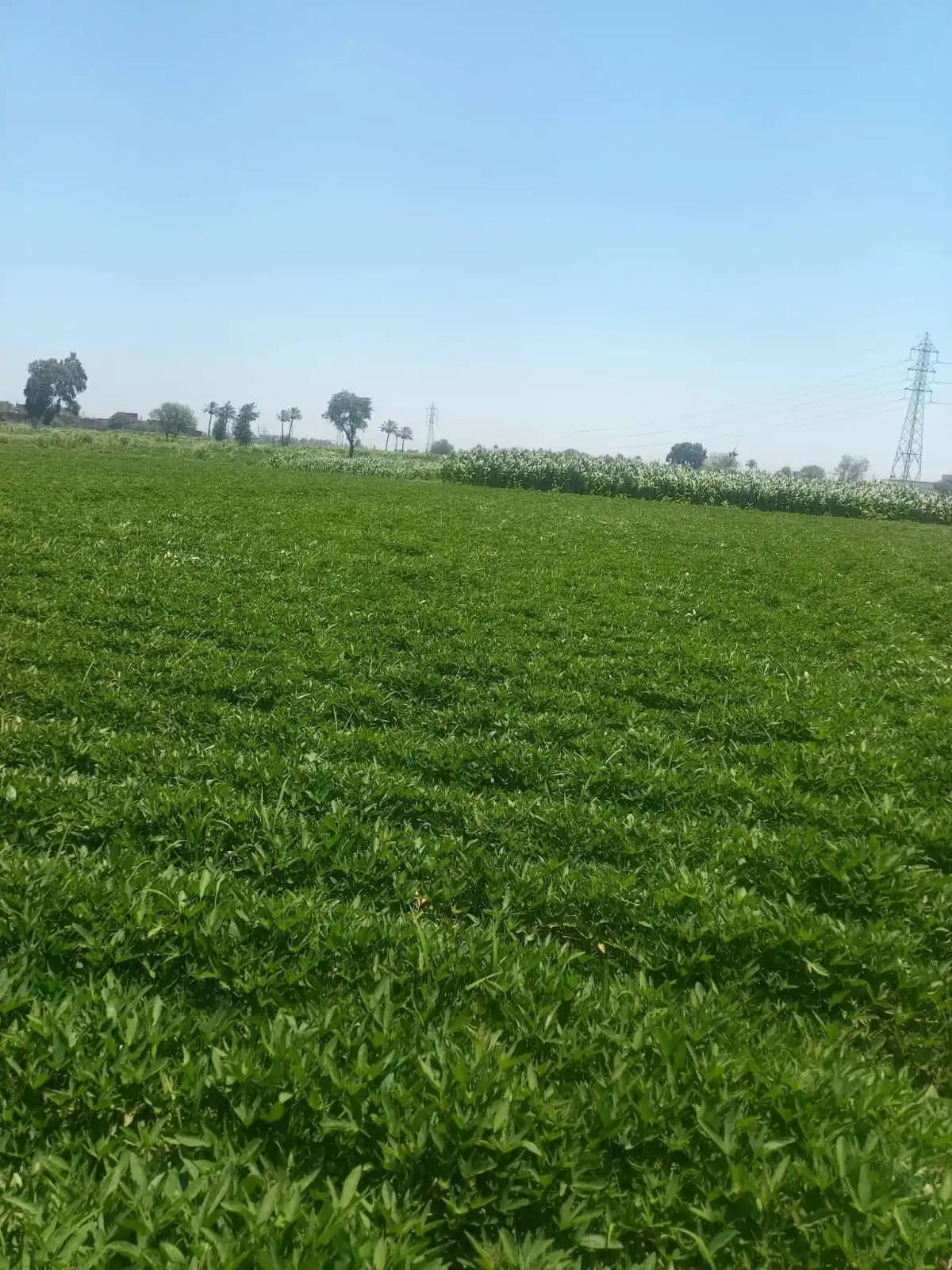
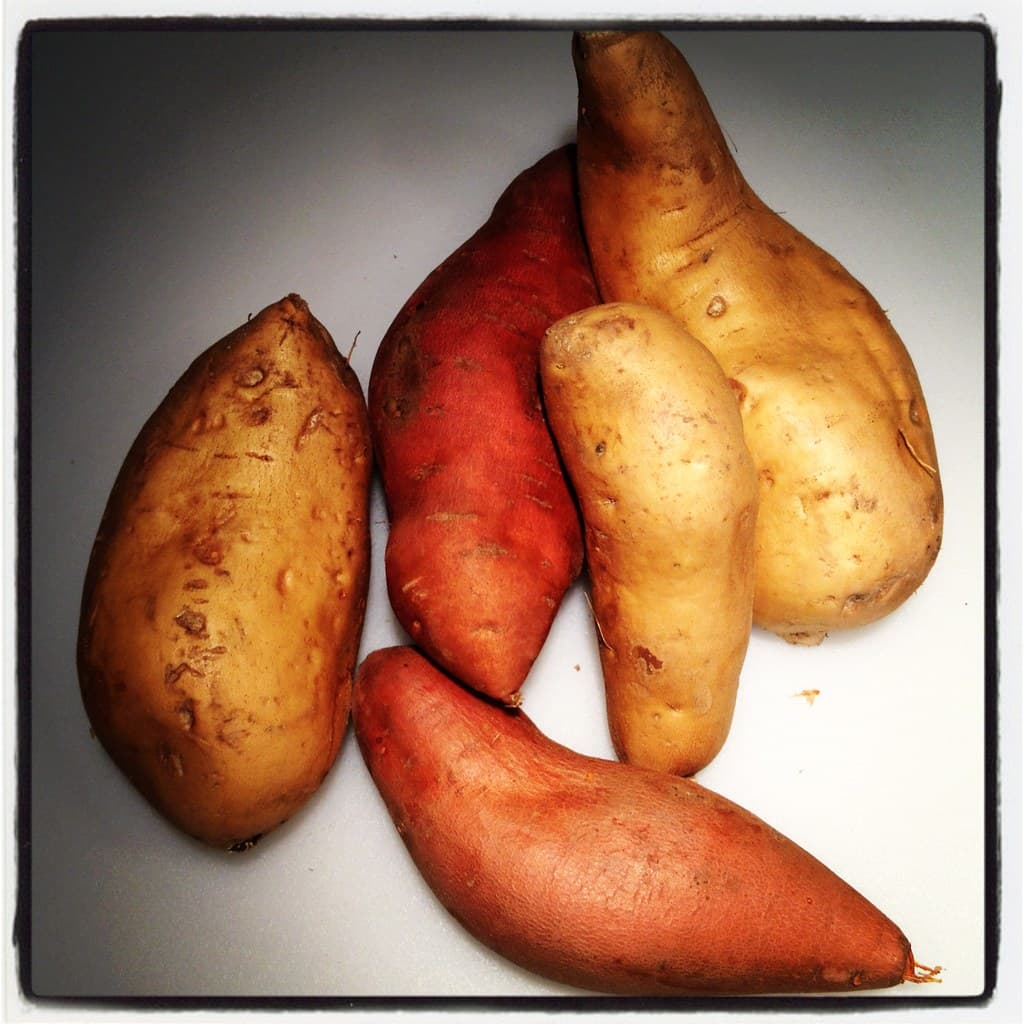
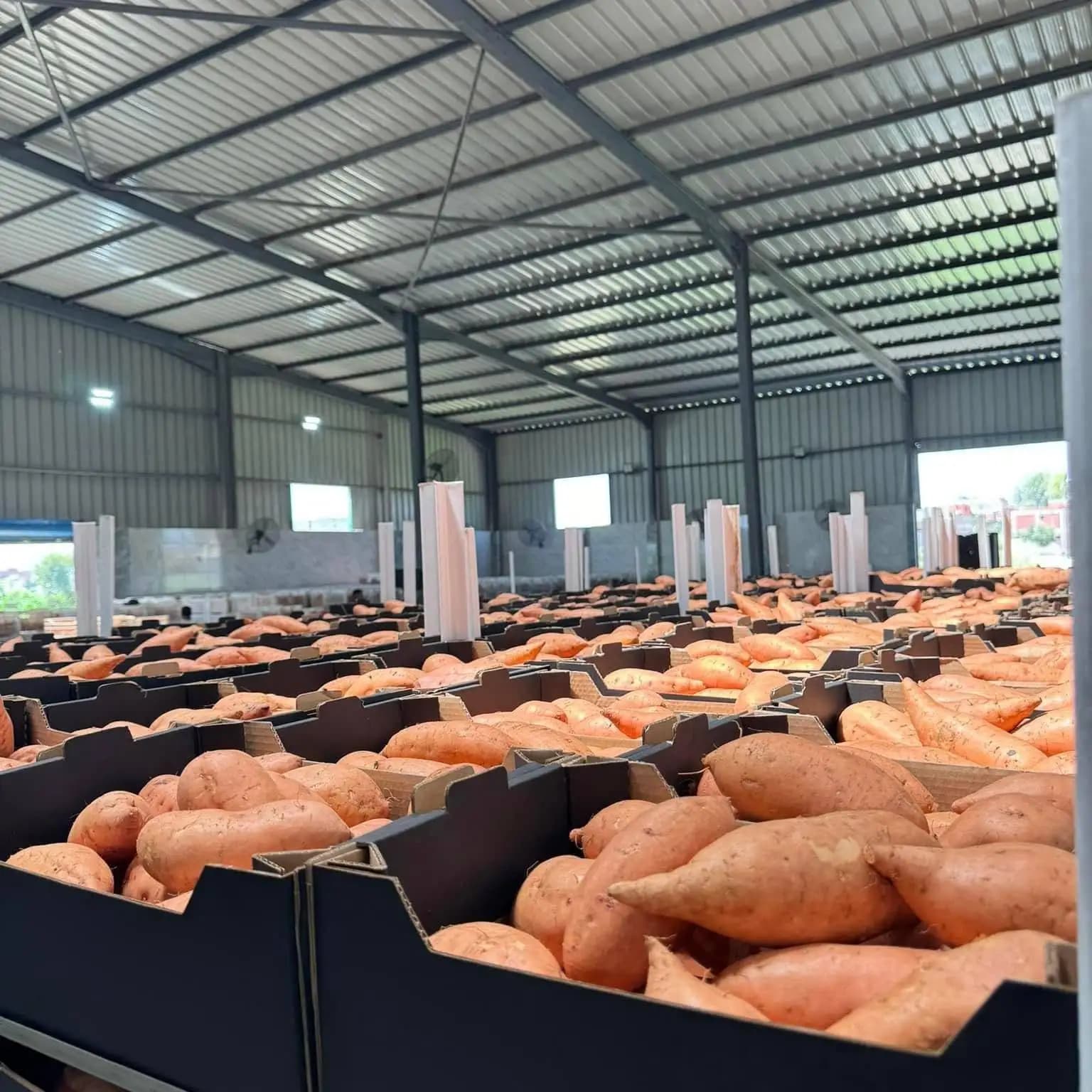
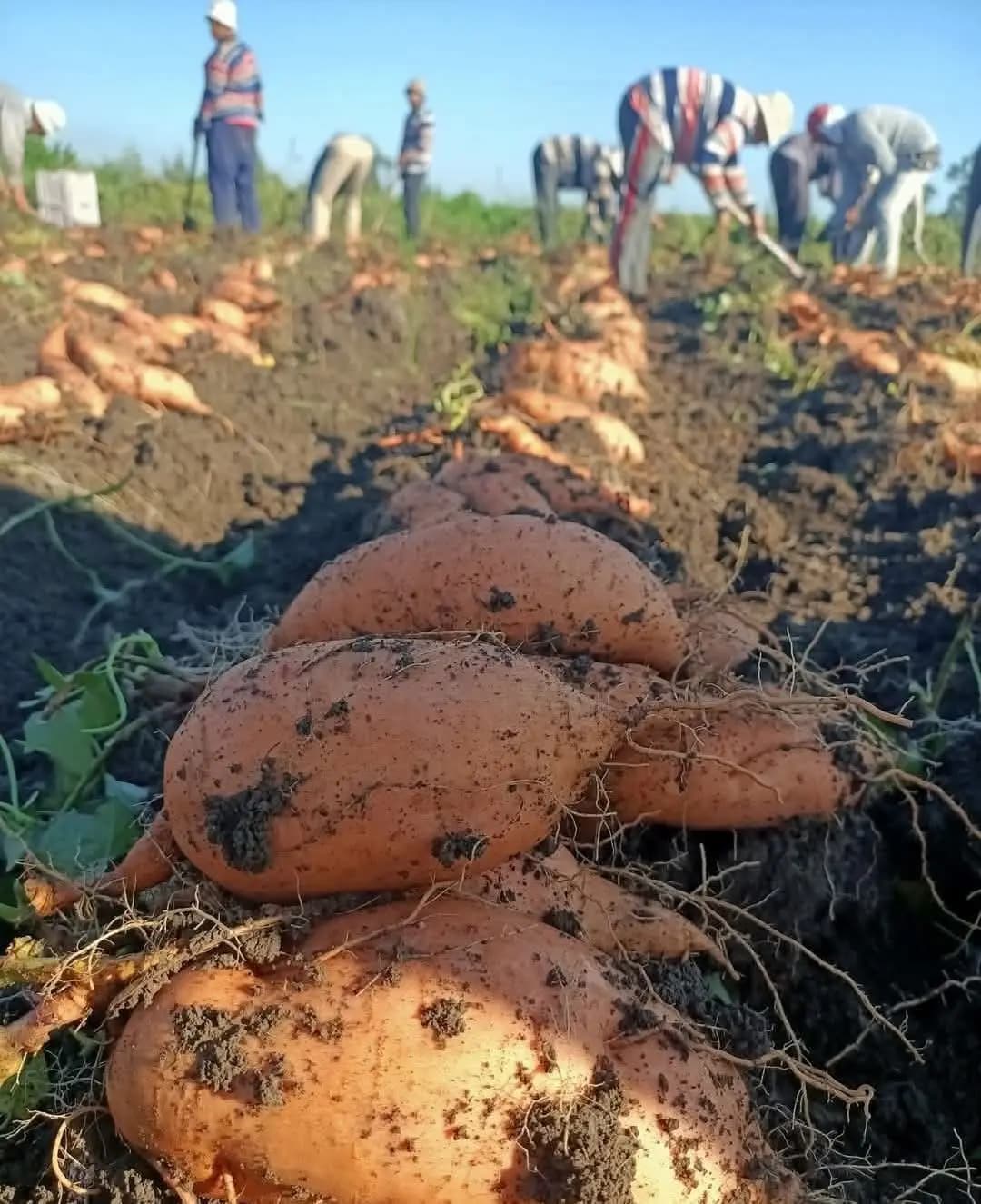
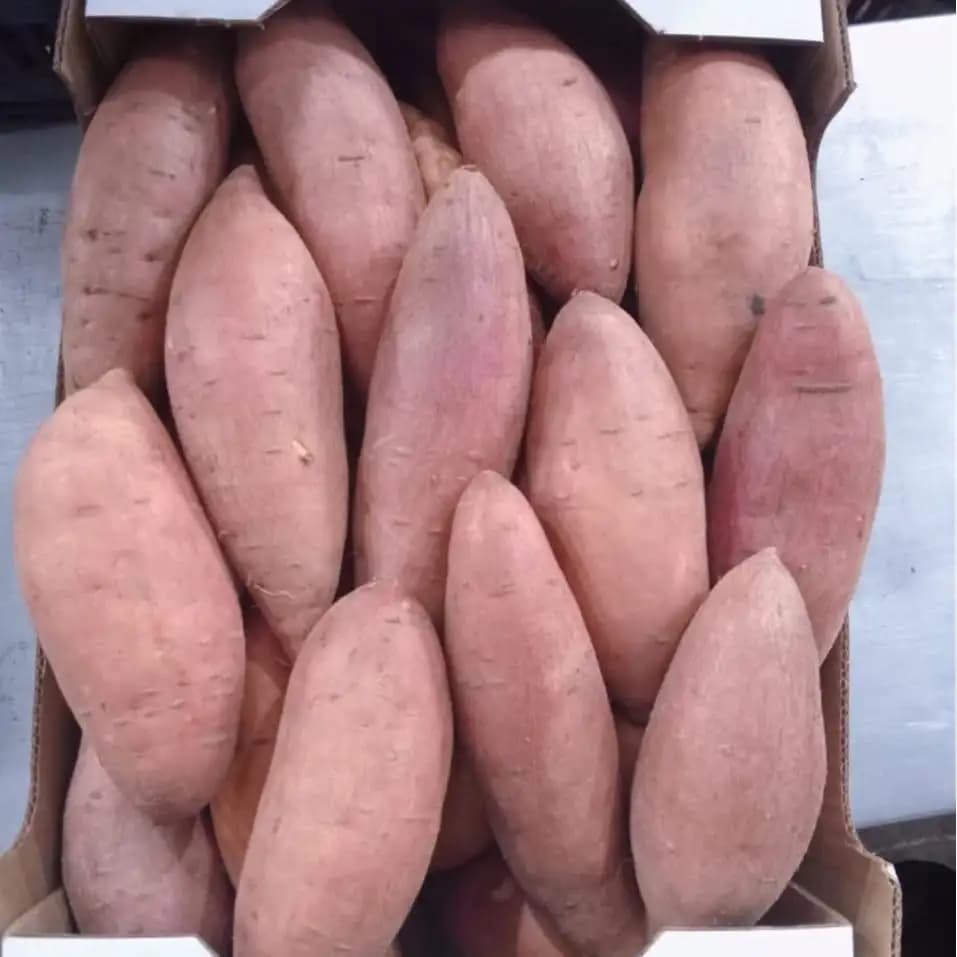
Illustrative agricultural photography. Photography of our own site is in production; until it is ready you are welcome to audit the facility in person or walk it with us on a video call.
And what we have in place so it doesn’t happen to your container.
Arrival quality doesn’t match the sample you approved.
Pre-shipment inspection with dated photos of the actual lot, sent before the container leaves.
Certificates that can’t be checked — or belong to someone else.
Scheme number, validity and certifying body for every credential, so you can verify them at source.
A gap in the cold chain that nobody can account for.
A data-logger in every reefer; the full temperature trace is handed over on arrival.
Silence when the schedule slips.
One named contact who replies within four hours, Sunday to Friday.
Yes — in person or by video call, whenever suits you. We will also host a third-party audit at your request.
The schemes listed above, and only those. Certificate copies, with numbers and validity dates, are provided to qualified buyers on request.
Every carton carries a lot code that maps back to the field, the harvest date and the packing shift. We can trace forward or back within four hours.
Yes — against EU maximum residue limits under Regulation 396/2005, with a residue report available per shipment.
Send photos and the logger file as soon as possible after discharge. We assess the claim against our own pre-shipment record; how a confirmed claim is settled is set out in the contract for your shipment.
Send your destination port and volume. A quote and the full documentation pack follow within four hours.